

Choosing Equine Nutritional Supplements Wisely
Choose equine nutritional supplements with confidence. Learn when horses may need support, what to evaluate, and how to build a sensible feeding plan.
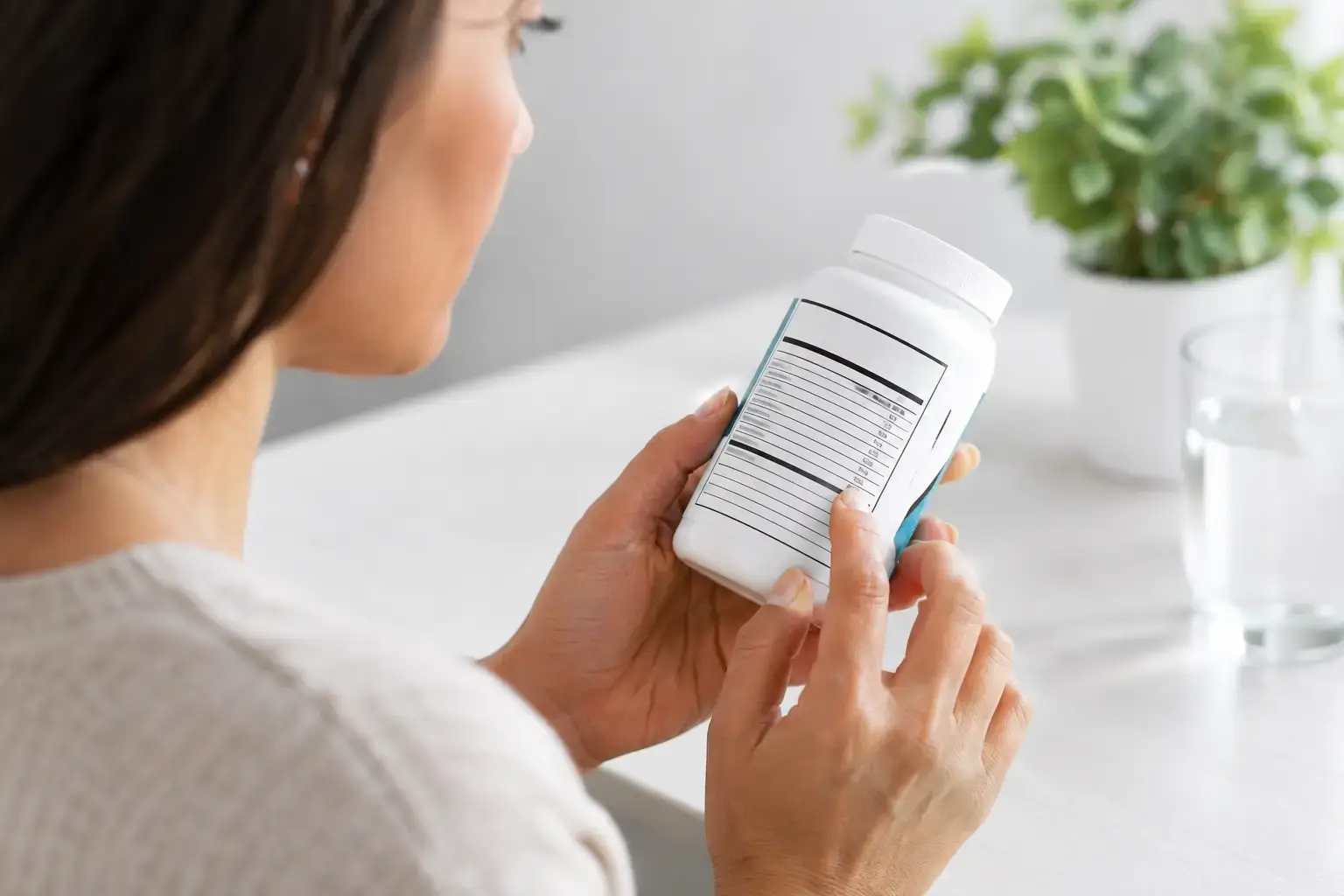
A bottle can promise joint comfort, daily energy, weight support, or better nutrition in large print. The Supplement Facts panel is where you find out what the formula actually provides. If you have been asking how to read supplement facts label information before choosing a product, start by looking past the front-label claims and reading the numbers in context.
A good label will not make the decision for you, but it gives you the practical details needed to compare products, avoid overlap with other supplements, and use a formula as directed. That matters whether you are building a daily multivitamin routine or looking for focused support for mobility, energy, or weight-management goals.
The first line on the Supplement Facts panel is serving size. It may be one tablet, two capsules, one scoop, or a liquid measurement. Every amount listed below it is based on that serving, not necessarily on a single pill.
This is one of the most common sources of confusion. A bottle may contain 120 capsules, but if the serving size is two capsules, it provides 60 servings. Likewise, a front label that highlights a large amount of an ingredient may refer to the full daily serving rather than each capsule.
Also check the suggested use elsewhere on the package. Usually, it should match the serving size, but the directions tell you when and how often to take it. A formula intended for use with meals may fit differently into your routine than one meant to be taken once daily.
The main body of the panel lists dietary ingredients and the amount supplied per serving. This is where you can compare two products that appear similar at first glance.
For example, two joint-support formulas may both contain glucosamine, but they can differ in the form used, the amount per serving, and the additional ingredients included. Two energy formulas may both contain B vitamins, yet one may provide a broad blend while another focuses on only a few nutrients. The product name tells you the intended category. The amounts on the label show the formula behind it.
Pay attention to units. Milligrams, abbreviated mg, and micrograms, abbreviated mcg, are not interchangeable. One milligram equals 1,000 micrograms. A number that looks smaller is not automatically less significant if it uses a different unit.
Some labels also identify the source or form of an ingredient in parentheses. Magnesium, for instance, may be listed with a specific form. This information can be useful when you have a known preference, are comparing formulas, or need to avoid a particular source. Still, the right product depends on your individual needs, medications, diet, and health history, not on one ingredient name alone.
A proprietary blend combines multiple ingredients under one total amount. The label may tell you that a blend weighs 500 mg, but it may not state how much of each individual ingredient is included.
That does not automatically make a formula unsuitable. However, it makes direct comparison more difficult. When a specific ingredient and amount matter to you, an open label that lists each ingredient separately gives you more information to work with.
Many vitamins and minerals include a Percent Daily Value, shown as %DV. This figure indicates how much one serving contributes to the daily amount recommended for most adults under current nutrition labeling standards.
As a general reference, 5% DV or less is considered low, while 20% DV or more is considered high. That can help when evaluating foundational nutrients such as vitamin D, calcium, zinc, or certain B vitamins. It can also help you spot duplication when you use a multivitamin along with individual nutrient products.
A high percentage is not always better. Some nutrients have practical upper limits, and your total intake includes food, fortified beverages, and every supplement you take. If you already use several products, add the overlapping nutrients before making a decision.
You will often see a dagger symbol instead of a daily value for botanicals, amino acids, enzymes, and other ingredients without an established Daily Value. “Daily Value not established” does not mean the ingredient is ineffective or unsafe. It simply means the label cannot use a standardized %DV benchmark for that ingredient.
Below or beside the Supplement Facts panel, you will find “Other Ingredients.” These are typically the materials used to make the capsule, tablet, softgel, powder, flavoring, or coating. They may include vegetable cellulose, gelatin, rice flour, silica, or natural flavors.
This section is especially useful for people avoiding particular allergens or following dietary preferences. Check for allergen statements such as milk, soy, wheat, shellfish, or tree nuts. If you have a serious allergy, read the full package carefully and contact the manufacturer when the label does not answer your question.
Do not assume that “natural” means allergen-free, stimulant-free, or appropriate for every health condition. The complete label is more useful than a single marketing term.
The warning language on a supplement is not fine print to skip. It may advise against use during pregnancy or nursing, identify an age restriction, or recommend speaking with a health care professional before use if you take medication or have a medical condition.
This is particularly relevant for adults managing arthritis, blood sugar, blood pressure, heart concerns, or other ongoing health issues. Supplements can be part of a wellness routine, but they can also interact with prescription medicines or be unsuitable before surgery. A pharmacist or qualified health care professional can help review a product against your medication list.
Be cautious when combining formulas with similar purposes. A multivitamin, energy product, and weight-management product may each contain some of the same vitamins or other active ingredients. More products do not necessarily create better results. A simpler routine that you can use consistently and understand clearly is often the better choice.
Supplement labels may use structure/function claims, such as “supports joint health,” “helps maintain energy metabolism,” or “supports a healthy weight-management plan.” These claims describe how a nutrient or ingredient may support normal body functions. They are not the same as a promise to diagnose, treat, cure, or prevent a disease.
Be skeptical of language that sounds like a guaranteed medical outcome. A responsible supplement choice begins with realistic expectations. For persistent joint pain, unexplained fatigue, significant weight changes, or worsening mobility, seek medical guidance rather than relying on a label claim alone.
Quality also deserves attention. Look for a complete label, clear manufacturer information, lot identification, expiration or best-by dating, and directions that are easy to follow. U.S. manufacturing and careful quality-control practices can offer added confidence, but supplements are not approved by the FDA before they reach the market. A reputable company should present its formula and usage information clearly rather than asking you to rely on vague promises.
When comparing products, use the same serving size as your reference point. First, identify the active ingredients that match your goal. Next, compare their amounts per daily serving, then look at other ingredients, warnings, and the number of servings per container.
Price alone can be misleading. A lower-priced bottle may contain fewer servings, a smaller daily amount, or a blend that does not identify individual quantities. On the other hand, a longer ingredient list is not automatically better. A targeted formula with clearly stated amounts may be a more sensible fit than a complex product with ingredients you do not need.
For animal supplements, follow the same careful approach but never apply a human serving size to a pet or horse. Animal products should provide species-specific directions and should be selected with a veterinarian’s input when an animal has a medical condition or takes medication.
Before adding a new bottle to your routine, take a minute to write down what you already use and why. A label becomes much easier to evaluate when you have a clear goal, a complete view of your current supplements, and a willingness to choose steady, sensible support over the loudest claim on the shelf.
Choose equine nutritional supplements with confidence. Learn when horses may need support, what to evaluate, and how to build a sensible feeding plan.

Dog nutritional supplements can support joints, digestion, skin, and daily health when chosen for a clear need, sound ingredients, and veterinary guidance.