

How to Read a Supplement Facts Label Correctly
Learn how to read supplement facts label details, from serving size and active ingredients to daily values, warnings, and quality checks before you buy.
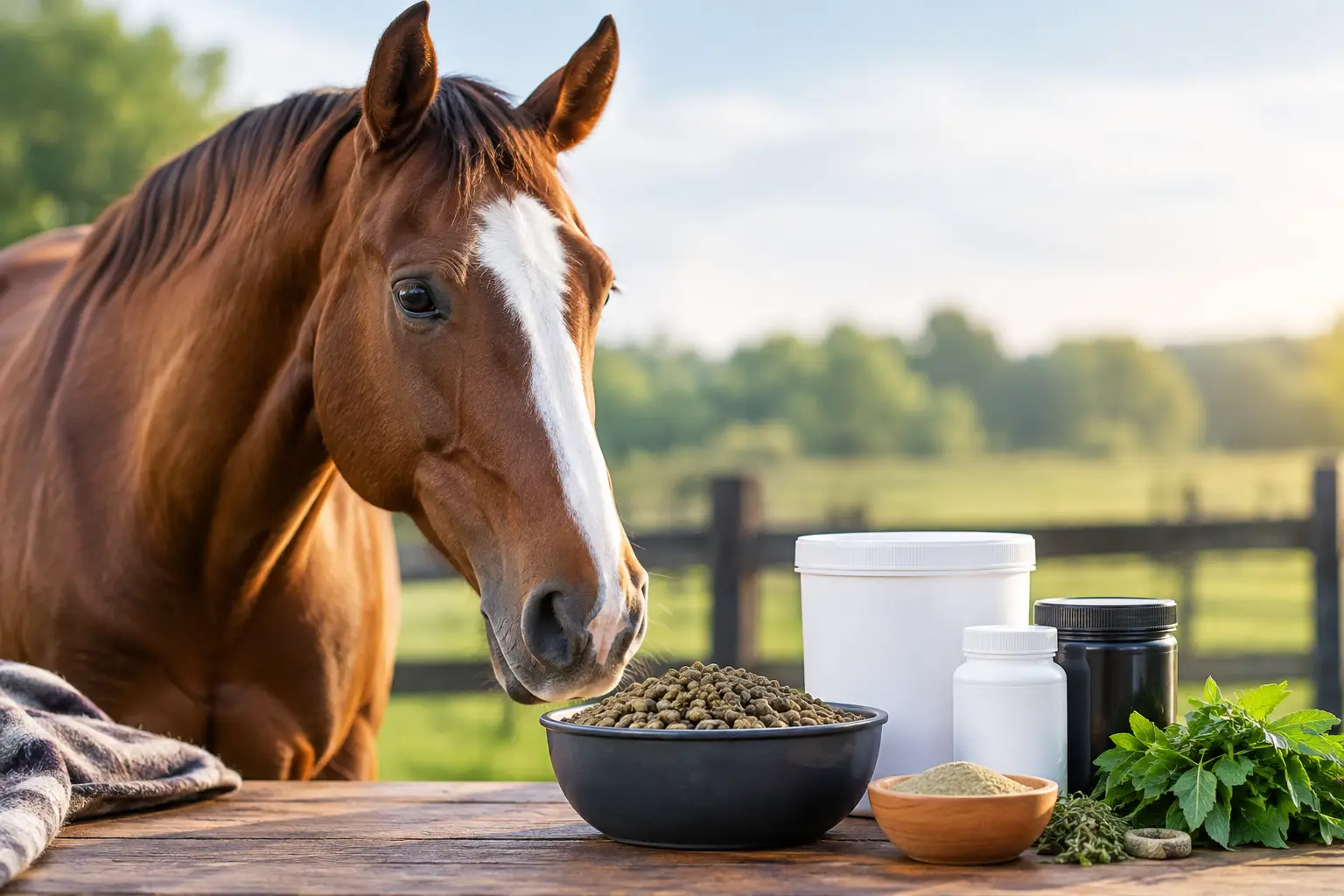
A horse can look well cared for and still have nutritional gaps. Hay quality changes by cutting and season, pasture intake changes with weather and turnout, and an older horse or hard-working athlete may have needs that a basic ration does not fully cover. Equine nutritional supplements can help address specific concerns, but the right choice starts with the horse’s complete diet, workload, age, and health history – not a label promise alone.
For most owners, the goal is straightforward: support sound condition, comfortable movement, healthy hooves, digestion, and dependable energy without adding unnecessary ingredients or upsetting the feeding program. A thoughtful plan can make supplementation a practical part of daily horse care.
Forage is the foundation of an equine diet. Good-quality hay or pasture supplies much of the fiber a horse needs for digestive function, along with varying amounts of protein, energy, vitamins, and minerals. A supplement cannot correct a diet built on inadequate forage, poor dental comfort, limited water intake, or insufficient calories.
Before adding anything new, consider what the horse receives each day: the type and amount of hay, pasture access, commercial feed, salt, fresh water, treats, and any existing supplements. This matters because fortified feeds already contain vitamins and minerals. Adding another broad multivitamin-mineral product without reviewing the total ration can create overlap rather than improvement.
A forage analysis is especially useful for horses maintained primarily on hay. It provides a clearer picture of protein, sugar, and mineral content than visual inspection alone. If analysis is not practical, a veterinarian or qualified equine nutrition professional can help assess whether the horse’s body condition, feed intake, and location suggest a likely gap.
Supplements are most useful when they serve a defined purpose. A horse in good condition on a balanced ration may need little more than appropriate forage, clean water, and salt. A horse with a particular life stage, workload, or dietary limitation may benefit from targeted support.
Senior horses, performance horses, and horses with a history of stiffness may be candidates for joint-support formulas. Common ingredients include glucosamine, chondroitin, MSM, hyaluronic acid, and omega-3 fatty acids. These ingredients are often selected to support normal joint comfort and mobility, but results vary by horse, formula, dose, workload, and the underlying cause of discomfort.
Persistent lameness, heat, swelling, or a sudden change in stride requires veterinary attention. A supplement may be part of a long-term comfort plan, but it is not a substitute for diagnosis, hoof care, conditioning, weight management, or prescribed treatment.
Hoof quality often reflects the whole horse’s nutrition and management. Biotin, zinc, copper, methionine, and omega fatty acids are commonly used for hoof, coat, and skin support. Because hooves grow slowly, meaningful changes take time. Owners should expect months, not days, when evaluating whether a hoof-focused supplement is helping.
For horses with dull coats, itching, or poor hoof growth, look beyond supplements as well. Parasite control, grooming, saddle fit, environmental irritants, and the mineral balance of the base diet can all influence the outcome.
Travel, stall confinement, training demands, medication use, and inconsistent feeding schedules can affect digestive comfort. Products containing probiotics, prebiotics, yeast cultures, or buffers may be considered for horses experiencing stress-related changes in appetite or manure consistency.
Digestive signs deserve care, not guesswork. Recurrent colic, weight loss, poor appetite, diarrhea, teeth grinding, or behavior changes around feeding should be discussed with a veterinarian promptly. Supplements may support a broader management plan, while the underlying issue still needs to be identified.
Older horses may need a ration that is easier to chew and digest, while hard keepers may require more calories from suitable feed sources. Working horses may need carefully managed electrolytes or additional nutritional support depending on sweat loss and exercise intensity. In each case, the primary question is whether the horse needs more calories, more digestible fiber, better protein quality, a mineral adjustment, or a targeted supplement.
That distinction prevents a common mistake: using a small-dose supplement to solve a calorie or forage problem. A horse losing weight on insufficient feed needs a feeding-plan adjustment first.
The best product is not necessarily the one with the longest ingredient panel. Look for a formula that states the purpose clearly and provides meaningful amounts of the active ingredients. A proprietary blend that lists ingredients without individual quantities makes it difficult to compare products or know what the horse is receiving.
Quality standards matter, particularly because horses can be sensitive to changes in feed and because competition horses may be subject to medication and substance rules. Choose companies that communicate where products are made, how they manage ingredient quality, and how they maintain consistency from batch to batch. Reliable manufacturers should provide clear feeding directions, lot identification, and a responsive way to ask product questions.
Also consider the delivery format. Powders can be easy to adjust by body weight but may be refused by selective eaters. Pellets may be more convenient, while liquids can work well for some horses but require careful measuring. The best format is one the horse will consume consistently at the intended amount.
Stacking several products is one of the easiest ways to make a sensible feeding program confusing. A joint formula, hoof product, electrolyte, calming product, digestive formula, and multivitamin may all contain overlapping nutrients. Excess intake is not always harmless, especially with minerals and fat-soluble vitamins.
Keep a written record of every product, its daily serving, and the reason it was added. This makes it easier to identify duplication and to tell what has changed if the horse’s appetite, manure, behavior, or condition shifts. It also gives your veterinarian a clearer view of the full program.
Introduce one product at a time whenever possible. Start according to label directions, mix it into a familiar feed, and allow the horse time to adjust. If a reaction or digestive change occurs, stop the product and consult your veterinarian. Adding several products in the same week makes it nearly impossible to know which one helped or caused a problem.
Age alone does not determine supplement needs. A 20-year-old horse in moderate work with excellent teeth and easy weight maintenance may need less support than a younger horse under heavy training. Likewise, a pasture horse and a show horse can have very different needs even when they are the same breed and size.
Use observable markers to guide decisions: body condition score, topline, hoof growth, coat quality, manure consistency, willingness to work, recovery after exercise, and comfort during normal movement. Take photos and notes over time rather than relying on memory. This is particularly helpful for hoof and joint-support products, where changes can be gradual.
For horses with diagnosed conditions, a history of ulcers, metabolic concerns, kidney or liver issues, or regular medication use, consult the treating veterinarian before adding supplements. Some ingredients may not fit every medical situation, and a veterinarian can help separate a nutritional need from a condition that needs treatment.
Equine nutritional supplements should earn a place in the feed room by serving a clear need, fitting the horse’s complete ration, and coming from a manufacturer that takes ingredient quality and production standards seriously. A well-made product can be useful support, but it works best alongside consistent forage, appropriate feed, dental care, hoof care, conditioning, and regular veterinary oversight.
Choose with patience. When you know what you are trying to support and measure progress over time, supplementation becomes less about chasing the latest formula and more about giving your horse steady, sensible care.
Learn how to read supplement facts label details, from serving size and active ingredients to daily values, warnings, and quality checks before you buy.

Dog nutritional supplements can support joints, digestion, skin, and daily health when chosen for a clear need, sound ingredients, and veterinary guidance.