
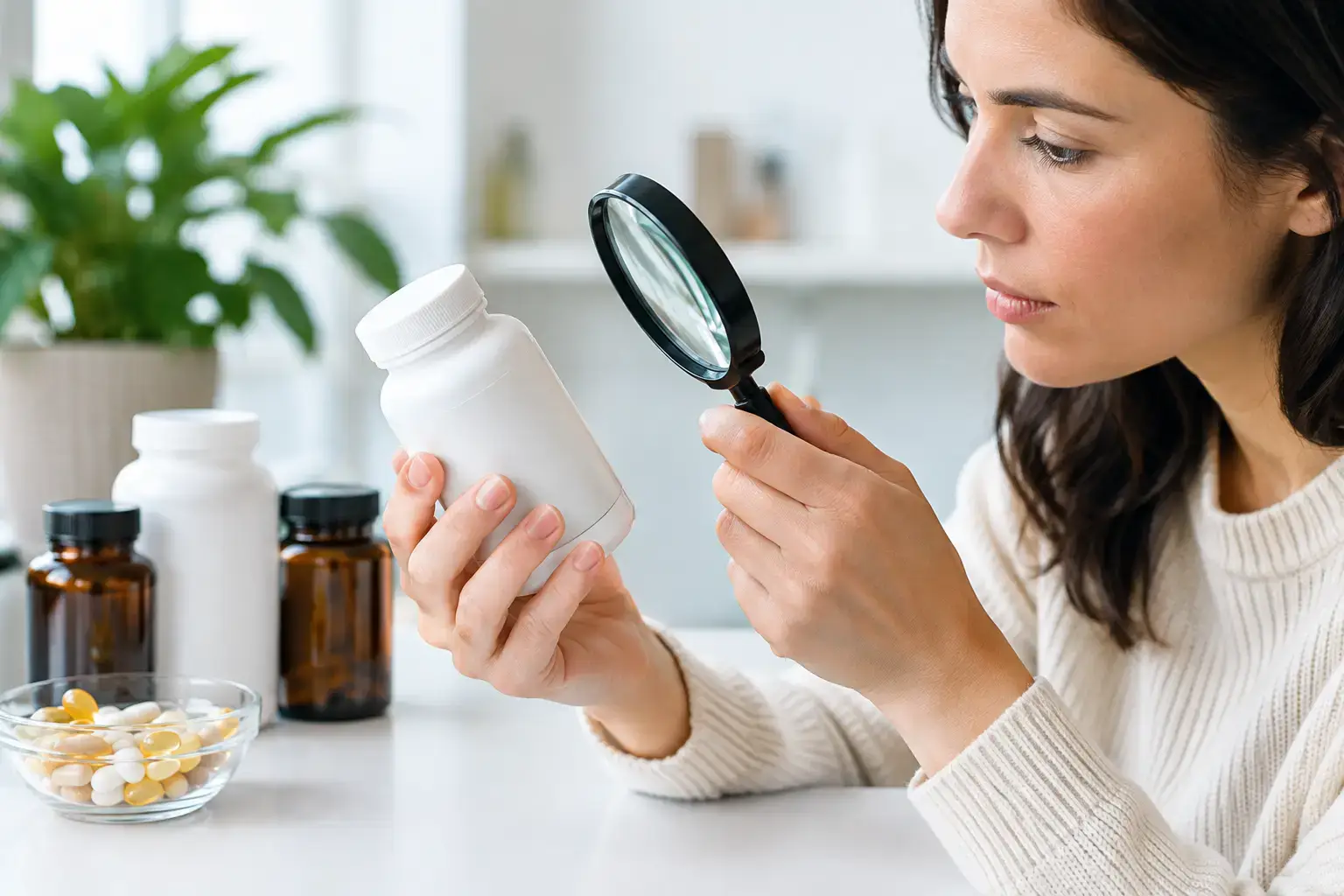
How to Verify Supplement Quality Before You Buy
Learn how to verify supplement quality by checking labels, testing, manufacturing standards, and brand transparency before you buy for daily health support
A bottle marked “Made in USA” can be reassuring when you are choosing support for joint comfort, energy, weight management, or everyday nutrition. But are supplements made in USA safer? Often, U.S. manufacturing can offer meaningful advantages in oversight and accountability. Still, the country on the label is only one part of a sound quality decision.
A supplement is only as dependable as the standards behind its ingredients, formula, production, testing, and labeling. Looking beyond a flag or a marketing claim helps you choose products that fit your health routine with greater confidence.
Dietary supplement companies that manufacture and market products in the United States must follow federal requirements designed to help protect consumers. The Food and Drug Administration oversees dietary supplements as a category of food, not as prescription drugs. Manufacturers are expected to follow Current Good Manufacturing Practices, often called cGMPs.
These practices cover practical details that affect product quality: verifying incoming ingredients, maintaining clean production areas, documenting batch records, controlling allergens, investigating complaints, and making sure the finished bottle matches its label. A reputable U.S. manufacturer should be able to trace a product through its production process rather than relying on guesswork if a question arises.
For a customer, domestic manufacturing may also make accountability more direct. A U.S.-based company has a domestic address, is subject to U.S. labeling rules, and can be contacted if there is a concern about an order, a formula, or a product experience. Those are useful protections, especially for people who use supplements consistently for ongoing needs such as stiffness, low energy, or foundational nutritional support.
That does not mean every supplement made outside the United States is unsafe, nor does it mean every domestic product automatically meets a high standard. Responsible companies can produce quality supplements in many countries. The difference is that U.S. manufacturing can make it easier to understand which rules apply and who is responsible for meeting them.
The most accurate answer is: sometimes, but not automatically. “Made in USA” is a positive signal when it reflects a manufacturer with strong controls, qualified staff, documented processes, and careful supplier management. It is not a substitute for evaluating the company and the product itself.
A key distinction is whether the supplement was actually manufactured in the United States or simply bottled, packaged, or distributed here. Raw materials for vitamins, minerals, herbs, amino acids, and other ingredients are sourced globally. Even a formula produced in a U.S. facility may include ingredients that originated elsewhere.
Global sourcing is common and is not inherently a problem. What matters is how those materials are qualified before they enter production. A quality-focused manufacturer should use established suppliers, review ingredient specifications, and test or verify materials for identity, purity, potency, and potential contaminants when appropriate.
The same principle applies to claims such as “pharmaceutical-grade.” Consumers often use that phrase to describe a high standard of ingredient selection, but it is not a guarantee that a dietary supplement has been approved as a pharmaceutical drug. Use it as one point to explore further, not as the only reason to buy.
A domestic address or American flag cannot tell you whether the formula contains the amount of each ingredient stated on the Supplement Facts panel. It also cannot tell you whether an herbal ingredient was correctly identified, whether a powder has been tested for contaminants, or whether the dosage is appropriate for your needs.
It is also worth remembering that the FDA does not approve dietary supplements before they reach store shelves in the same way it approves prescription medicines. Companies are responsible for ensuring their products are safe and properly labeled before marketing them. FDA registration or inspection status should not be confused with FDA approval of a specific supplement or health claim.
This is why thoughtful shopping matters. A trustworthy product should make basic information easy to find, including the full Supplement Facts panel, serving size, ingredient amounts, directions, warnings, and the name and contact information of the company responsible for the product.
Be especially careful with products that promise to cure arthritis, replace medication, cause dramatic weight loss without diet or activity changes, or deliver immediate results for complex health concerns. Supplements can support wellness goals, but credible companies do not need exaggerated promises to explain a formula’s purpose.
When comparing supplements, start by reading the entire label rather than focusing only on the front-panel claim. Look for a clear Supplement Facts panel and an ingredient list you can understand. If a proprietary blend does not disclose how much of each ingredient it contains, it may be harder to determine whether the formula provides a meaningful amount.
Next, consider the company behind the bottle. An established business with accessible customer service, a consistent product line, and a record of serving repeat customers has more reason to protect its reputation. That does not guarantee that every product is right for every person, but it can be more reassuring than purchasing from an unfamiliar seller with little information beyond a marketplace listing.
Ask sensible questions about manufacturing and quality practices. You do not need a chemistry degree to do this. Useful information includes whether products are manufactured in a U.S. facility following cGMP requirements, whether ingredient identity and potency are verified, and whether finished products receive appropriate quality testing.
Independent testing can add another layer of confidence, particularly for products used by competitive athletes or for formulas with greater contamination risk. However, a seal alone should not end your evaluation. Check that it applies to the actual product, not merely an ingredient supplier or an unrelated company claim.
Finally, make sure the product matches your personal situation. Review warnings carefully, particularly if you take prescription medications, are pregnant or nursing, are preparing for surgery, or manage a medical condition. For joint, mobility, energy, and weight-support products, a pharmacist or health care professional can help identify potential interactions and set realistic expectations.
Animal owners should apply the same care when choosing nutritional products for pets or horses. A formula intended for people is not automatically appropriate for an animal, and dosage is not interchangeable across species or body sizes. Products should clearly state the intended animal, directions for use, and relevant precautions.
For a dog, cat, or horse with an existing medical condition, mobility limitation, or ongoing medication, speak with a veterinarian before adding a supplement. Quality manufacturing, transparent labeling, and species-specific formulas matter because animals cannot tell you when a product is causing an unwanted effect.
U.S. bottling and manufacturing can be valuable signs of a company that takes quality control seriously. They are particularly meaningful when paired with carefully sourced ingredients, documented production standards, clear labels, and responsive customer support. Healthy Steps has built its approach around those practical standards, including U.S. bottling and targeted formulas for everyday wellness goals.
The best bottle is not necessarily the one with the loudest claim. It is the one from a company that gives you enough clear information to make a sensible choice, use the product as directed, and support your health routine with confidence.
Learn how to verify supplement quality by checking labels, testing, manufacturing standards, and brand transparency before you buy for daily health support
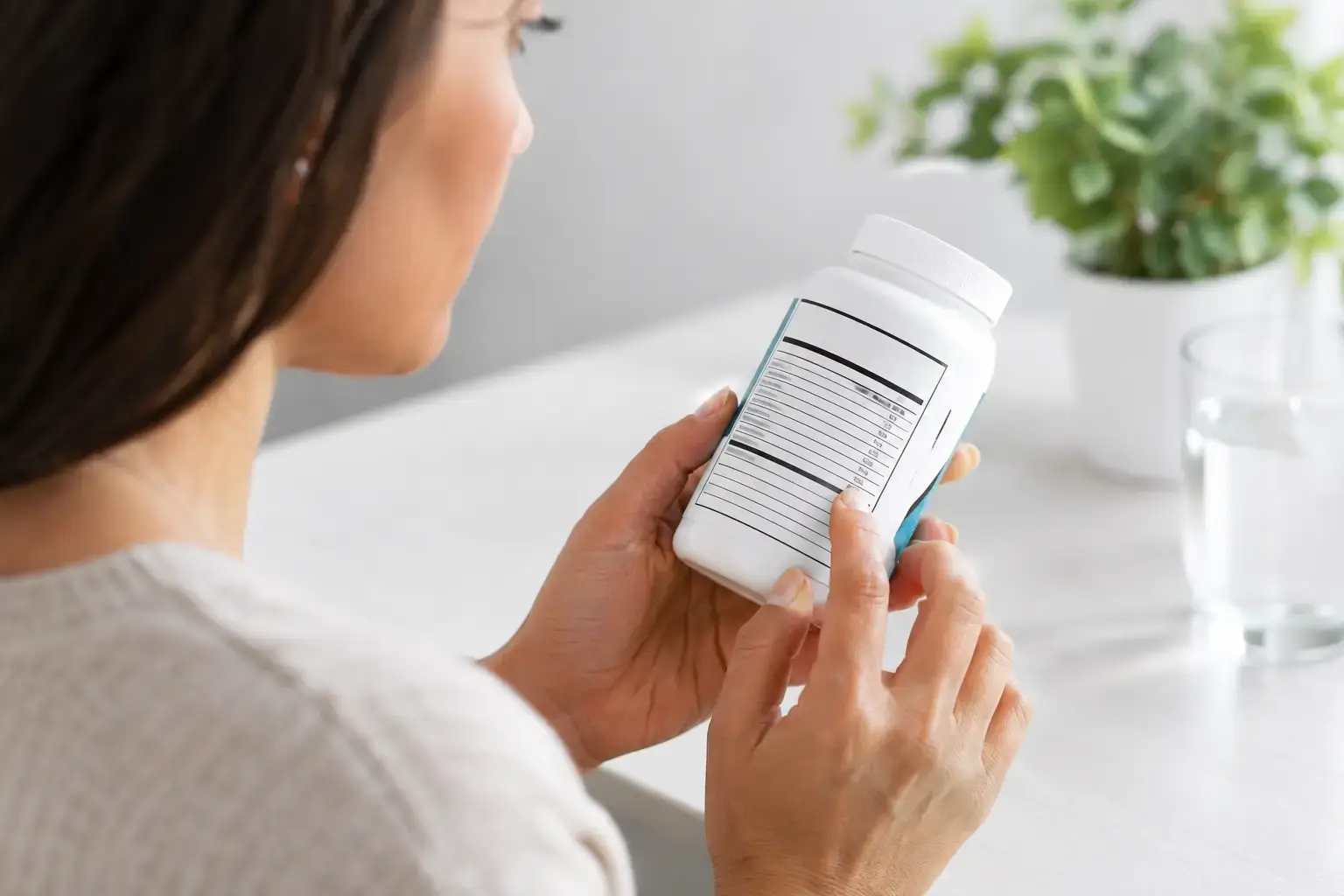
Learn how to read supplement facts label details, from serving size and active ingredients to daily values, warnings, and quality checks before you buy.